Eight weeks. Recovery-first programming for athletes operating under chronic load.
Field Manual. Read this before starting Week 1. Every decision you'll make over the next eight weeks is covered here.
This system is built for people operating under chronic physical, psychological, or occupational load. People who need their training to account for that, not pretend it isn't there.
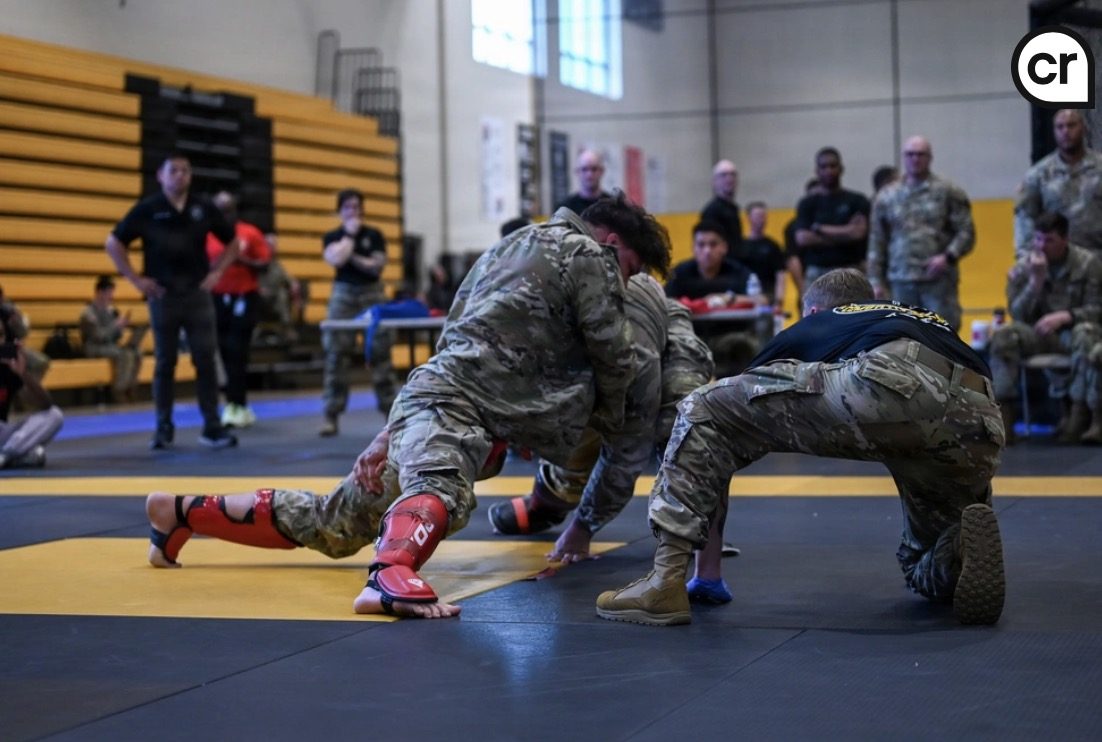
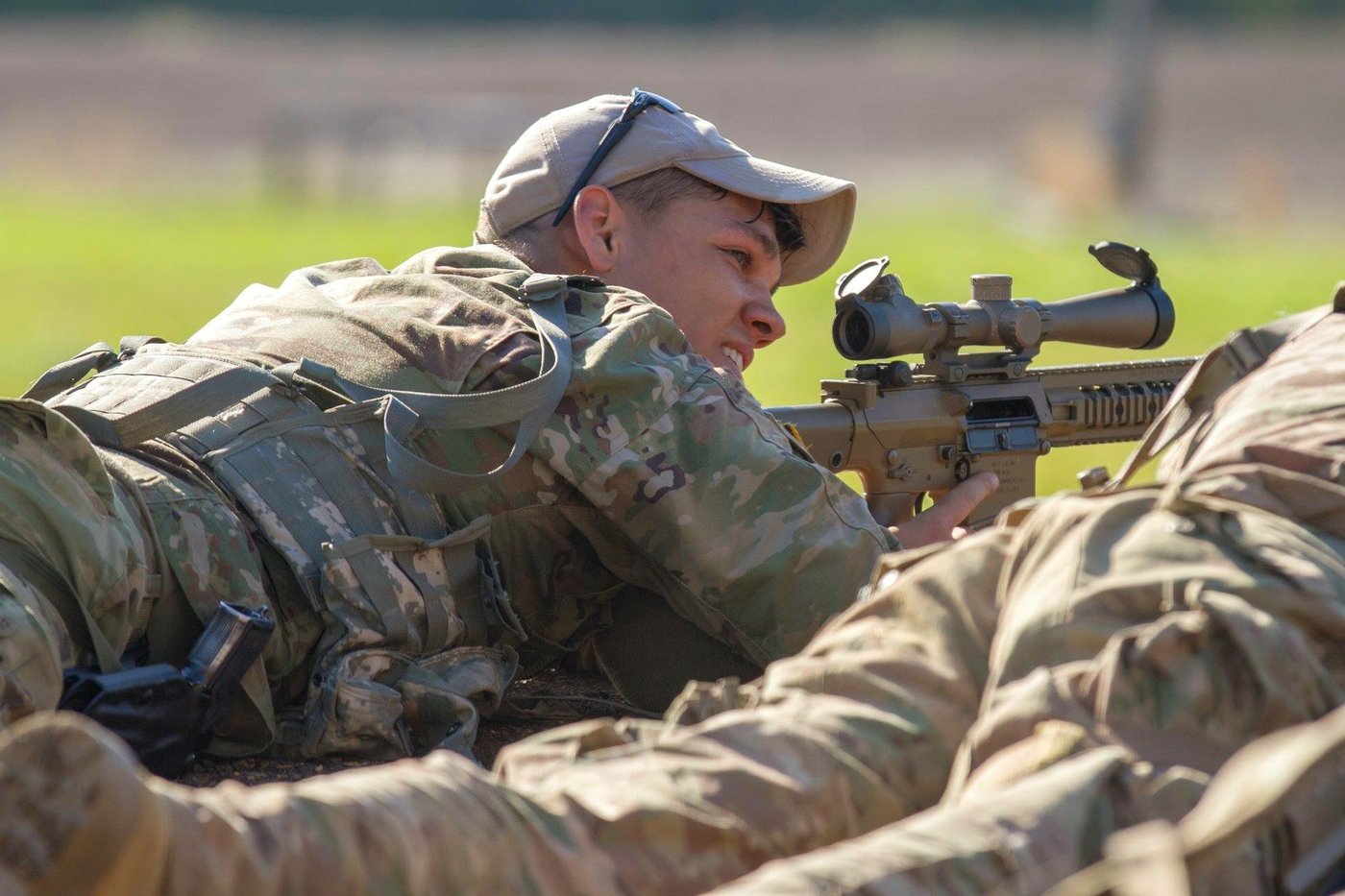
The tactical identity of RCTA comes from combat sports and military service. That's where the framework was built and tested. But the load patterns that break athletes down don't belong exclusively to those environments. A nurse running back-to-back 12-hour shifts, a parent carrying two jobs and three kids, a professional carrying years of stress without real recovery built in — they accumulate the same kind of debt this program addresses. If your training has been inconsistent because your life is inconsistent, if you're injured more than you used to be, recovering slower, feeling the gap between your output and your capacity widen — this program was built for that.


You're starting this because something isn't working anymore. Maybe it happened gradually. Years of load stacking up, no real recovery built in. Maybe there was a specific thing: an injury, a transition, a stretch of chaos that cost more than you expected. Maybe you're still going, still showing up, but you know the system is running on fumes.
You've probably spent years overriding fatigue because something still needed to get done. That habit kept you functional. It also ran up a debt this program is built to address.
This program isn't asking you to work harder. It's asking you to work deliberately. For most people who end up here, that's the harder ask.
Eight weeks. Three phases. One objective: rebuild the foundation so what you build on top of it actually holds. Rak Chazak.
Rak Chazak is a Hebrew phrase. It translates as "be strong and courageous" — but in context, it's not a command to perform strength. It's a command to continue when continuing is hard.
For a recovery program, that distinction matters. The hardest thing for most high-output athletes isn't training harder. It's staying disciplined with recovery when every instinct says push through. Taking a Red Day seriously takes more real courage than overriding it. Holding an RPE ceiling when your ego wants to go above it takes more actual strength than just lifting heavier.
The name wasn't chosen for aesthetics. It was chosen because it says something true about what this program actually asks.
The Restore phase will feel too easy. That's not an error. That's the programming working.
A common pattern here: athletes with high training age feel undermined by the light load in Weeks 1–3. They push above the RPE ceiling thinking they're getting ahead. They typically plateau or stall around Week 5 when accumulated load catches up.
Your perceived readiness during Weeks 1–3 is rarely an accurate measure of your actual recovery capacity. The audit gave you a more reliable read than how you feel after your first cup of coffee. Trust the score. The program will give you room to push — just not yet.
| Standard | Requirement | Status |
|---|---|---|
| OCA Baseline | Week 0 audit completed and scored | Pending |
| Session Compliance | ≥80% of programmed sessions (≥38 of 48) | Pending |
| Restore Phase Integrity | Zero sessions above RPE ceiling in Weeks 1–3 | Pending |
| Weekly Check-Ins | All 8 Sunday check-ins completed | Pending |
| Week 6 Retest | Full OCA retest completed | Pending |
| Final OCA | Week 8 Day 56 assessment completed | Pending |
| Gut Protocol | Elimination phase (Wks 1–3) ≥90% compliant | Pending |
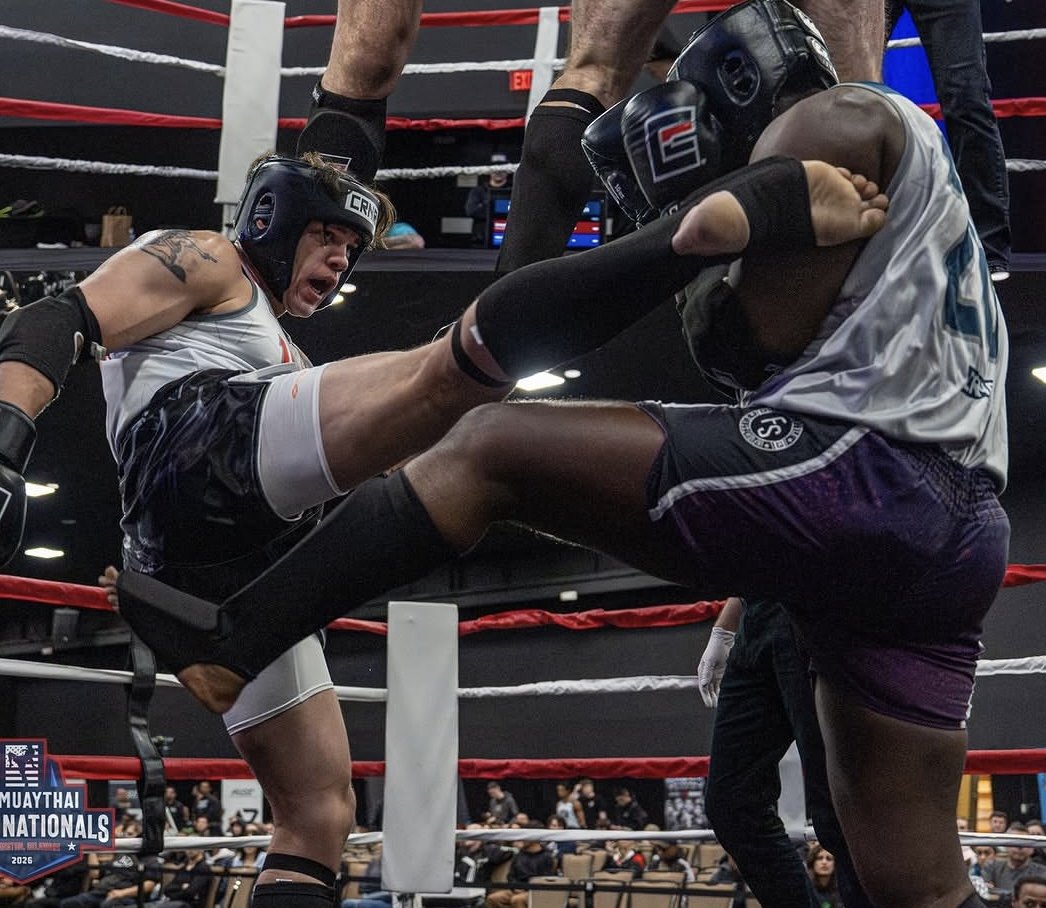
Cooper · U.S. Army · Muay Thai Nationals
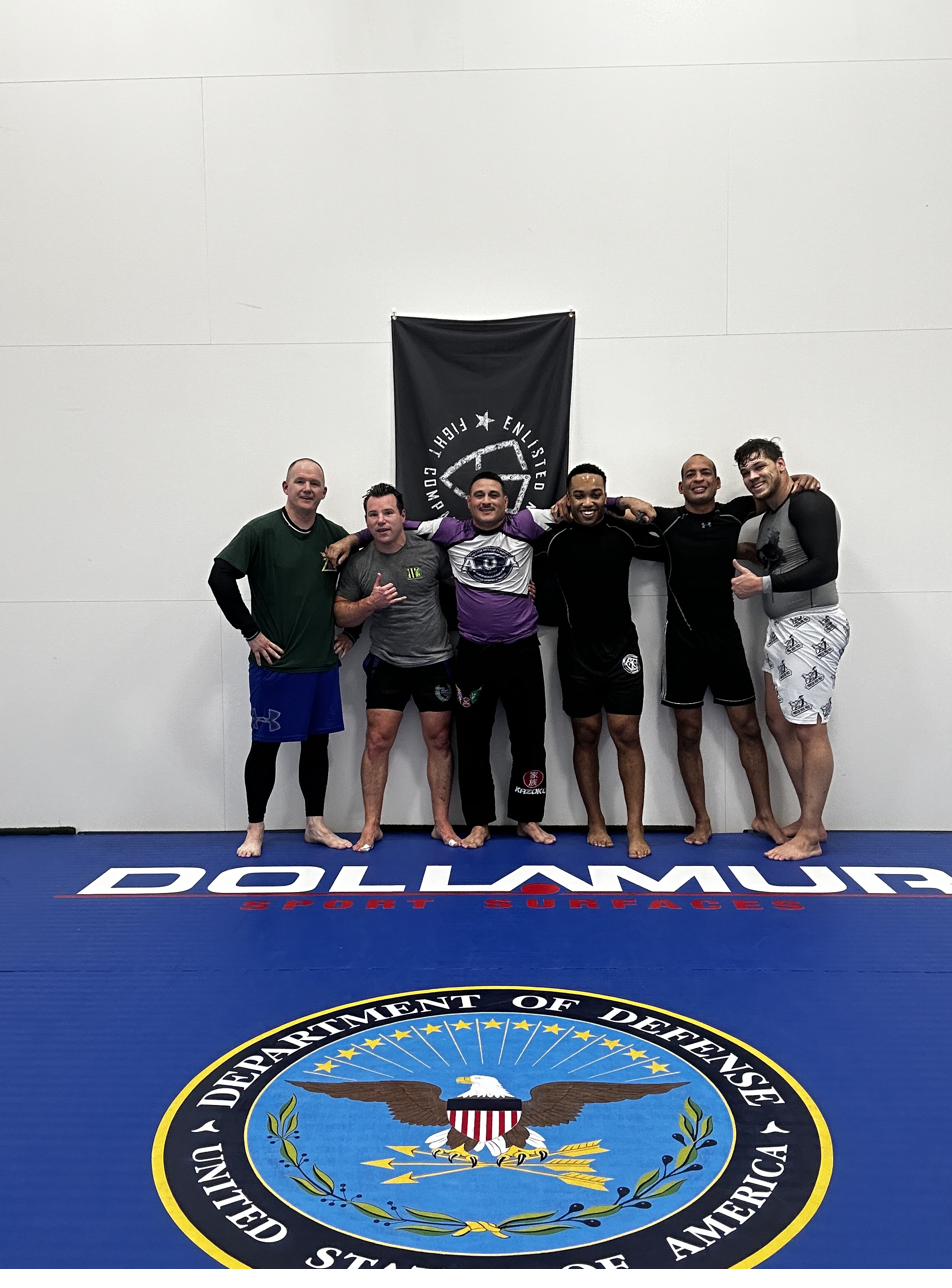
Most of his adult life has been spent operating under some version of the load this program was built around. Combat sports athlete. Military leader. Someone who eventually had to figure out how to rebuild when the accumulation caught up.
He competed in Muay Thai and BJJ for over a decade while carrying full military responsibilities. Hard sparring, operational stress, bad sleep, GI issues, hormonal dysfunction nobody was actively helping him manage. The breakdown wasn't dramatic. It was gradual. One day the output stopped matching the input, and the usual answer — more effort — stopped working.
Reconstruction Foundation is what he needed and couldn't find. Built on what actually worked. Not what looked good on a template.
Eight weeks of structured, recovery-first programming built for athletes operating under chronic load. Includes the OCA, full Field Manual, Gut Reset Protocol, 12-month periodization plan, and weekly check-in system.
Not sure if this is the right entry point? A 20-minute call will clarify where you are and how the system applies to your situation. No pitch.
For athletes with complex injury history, advanced goals, or operational demands requiring a fully individualized approach. Application required.
This program is an educational performance resource. It is not medical advice, clinical diagnosis, or treatment of any kind. It does not replace professional medical oversight. All training protocols, nutritional guidelines, and recovery frameworks contained herein are educational in nature and based on general principles of athletic performance and recovery. Individual responses to training and nutrition vary significantly.
Individuals with existing injuries, surgical history, cardiovascular conditions, hormonal disorders, gastrointestinal conditions, eating disorders, metabolic conditions, or any other health concern should consult a licensed physician before beginning this or any training program. Athletes currently under physician care for any condition should not modify treatment protocols based on content in this document without physician approval.
Hormonal health decisions — including any testosterone or hormone protocol — require licensed physician oversight. This program does not provide hormonal management guidance of any kind. Supplement recommendations are general and may not be appropriate for all individuals.
Rak Chazak Training Academy assumes no liability for outcomes arising from use of this material. Proceed at your own informed discretion and under appropriate medical supervision.
Complete this before starting Week 1. Answer honestly. The score determines your entry track, training volume, and mat work access for the first three weeks. It's calibrated to your actual recovery capacity, not your perceived fitness level. For most people coming in here, those are different things.
Your calendar says one thing. Your body's accumulated load often says something else. This calculator estimates your Deployment Age. A working figure for the physiological wear your system has absorbed from military service, deployments, combat sports, surgeries, and chronic pain. It's not a medical assessment. It's a starting framework for understanding why your recovery needs look different from someone the same age who hasn't carried the same load.
A lot of athletes running this program are 38 on paper and closer to 46 in terms of what their body has absorbed. That gap matters for programming.
Formula: Chronological + (Military Yrs × 0.8) + (Deployments × 1.5) + (Combat Sports Yrs × 0.5) + (Surgeries × 1.2) + (Chronic Pain Yrs × 0.6)
Recovery debt is the accumulated gap between training stress applied and recovery resources available. Think of it as a balance sheet: every hard session, every night of bad sleep, every stretch of elevated stress draws down the account. Sleep, nutrition, and low-intensity work deposit back in. Most athletes entering this program are running a chronic deficit. This calculator gives a working estimate of where that balance sits right now.
The audit is uncomfortable if you've spent years treating fatigue as a discipline problem. Rate where you actually are. Not where you want to be, not where you were six months ago. The score only helps you if it's accurate.
Common questions about how the assessment system works.
Your OCA score out of 100 places you in Track A (70–100), Track B (40–69), or Track C (below 40) for the Restore phase. The tracks differ in training volume, intensity ceiling, and mat work access during Weeks 1–3.
Track A: 65% entry volume. Technical mat work only, 2×/week, 45 min max. RPE ceiling 7.
Track B: 55% entry volume. Movement quality drilling, 1×/week, 30 min max. RPE ceiling 6.
Track C: 45% entry volume. No mat work Weeks 1–2. RPE ceiling 5.
All three tracks converge during the Load Phase (Weeks 4–6) and are calibrated from Week 3 retest data. Your track is a starting point, not a ceiling.
The daily readiness score is a 5-question check-in (sleep, energy, body, motivation, stress) scored out of 50. Green (40–50) means train as programmed. Yellow (28–39) means train modified. Red (below 28) means run the recovery protocol.
It's not a mood check. It's a daily snapshot of your systemic readiness before caffeine and warm-up mask the signal. Most athletes who track it consistently find patterns they weren't aware of — which days consistently score low, what correlates with Red days, how the previous night's sleep drives the next morning's numbers more than almost anything else.
Recovery debt is the accumulated gap between training stress applied and recovery resources available. Every hard session, every night of poor sleep, every stretch of high cortisol draws down the account. Sleep, nutrition, and low-intensity active recovery put back in.
Most athletes entering this program are running a chronic deficit. The Restore phase is specifically designed to begin clearing that debt before progressive loading is added. The Recovery Debt calculator gives you a working estimate of where that balance sits — it's a training-decision tool, not a medical measurement.
Deployment Age is a working estimate of your physiological age based on accumulated operational and training stress — separate from your calendar age. It accounts for military service, deployments, combat sports training, surgeries, and chronic pain history.
It's a rough working number, not a medical measurement. A 34-year-old with 10 years of infantry service, multiple deployments, and a torn ACL history is not starting from the same baseline as a 34-year-old with none of that history. Programming that ignores that gap produces predictable results.
No. The system was built in a military and combat sports context. That's where the framework was developed and tested. But the load patterns it addresses don't belong exclusively to those environments.
A nurse running 12-hour shifts on broken sleep, a parent carrying two jobs and a family, a professional who hasn't had a real recovery week in three years — they accumulate the same kind of systemic debt. The tactical identity of RCTA is the origin and authority source. The application is broader. If your training has been inconsistent because your life is inconsistent, and your recovery is clearly degraded, this program is built for that situation regardless of what's causing the load.
Complete this every morning before making any training decision. Takes 90 seconds. The score determines your training category for the day. No exceptions, no overrides.
Answer each question based on how you feel RIGHT NOW — not how you expect to feel after coffee or a warm-up. Not after convincing yourself you're fine. The scorecard is calibrated to your pre-stimulant, pre-warm-up baseline. Gaming the scorecard only damages yourself.
1=Terrible (<5hrs/interrupted) · 5=Average (6–7hrs) · 10=Excellent (8–9hrs uninterrupted)
1=Exhausted, can barely move · 5=Neutral · 10=Alert, ready, no fatigue
1=Significant pain or injury symptoms · 5=Moderate soreness · 10=No pain, no soreness, full range available
1=Zero, forced · 5=Neutral, will do it · 10=High, genuinely ready and wanting
1=Overwhelming, unmanaged · 5=Moderate, manageable · 10=Low, fully managed
| Score | Category | Training Decision | Volume | Intensity | Mat Work |
|---|---|---|---|---|---|
| 40–50 | GREEN | Train as programmed. No modifications. | 100% of prescribed | Up to prescribed RPE | As scheduled |
| 28–39 | YELLOW | Train modified. Volume and intensity reduced. | 70% of prescribed | RPE cap at 7 | Technical only / no live |
| Below 28 | RED | Do not train. Execute Red Day protocol only. | Active recovery only | No load | None |
Most high-output people are genuinely bad at this. Not because they're weak. It's an occupational habit. Years of overriding signals to keep functioning. A Red Day is the scorecard catching something before you have to feel it the hard way.
Execute all of the following:
Full 8-week programming across three phases: Restore (Weeks 1–3), Rebuild (Weeks 4–5), Reload (Weeks 6–8). Track A/B/C modifications are noted in each session. Read every session the night before, not the morning of.
| Track | OCA Score | Entry Volume | Week 1 Mat Work | Week 1 RPE Cap |
|---|---|---|---|---|
| A | 70–100 | 65% of assessed capacity | Technical only · 2×/week · 45 min max | RPE 7 |
| B | 40–69 | 55% of assessed capacity | Movement quality · 1×/week · 30 min max | RPE 6 |
| C | Below 40 | 45% of assessed capacity | None · Weeks 1–2 | RPE 5 |
RPE 5 = moderate, several reps left · RPE 6 = working, 3–4 in reserve · RPE 7 = hard, 2–3 in reserve · RPE 8 = very hard, 1–2 in reserve · RPE 9 = near max · RPE 10 = true max. The Restore phase (Weeks 1–3) caps at RPE 7 for Track A, RPE 6 for Track B, RPE 5 for Track C. Restore phase ceilings: Track A = 7 · Track B = 6 · Track C = 5. Hold these.
Week 1 Intent: Establish baseline movement patterns. Find out what's broken before attempting to load it. Volume is deliberately low. If it feels like this isn't enough — that's the Restore phase working. Gut Reset Protocol begins Day 1. Daily readiness logging begins Day 1.
Warm-up: 8 min — 90/90 hip mobility, hip CARs, banded clamshell, dead bug × 8/side. Then 3 min rowing at conversational pace.
Cooldown: 5 min — pigeon stretch, supine figure-four, standing hip flexor stretch. Document: any pain sites, movement limitations noted, left-right discrepancies.
Track C: Replace 30 min Zone 2 with 20 min walk at comfortable pace. Document how this feels — note any capacity limitations.
Warm-up: 8 min — shoulder CARs, band pull-aparts × 15, dead hangs 20s × 3, scapular push-ups × 10.
Track A Mat Integration: 45 min BJJ — technical drilling only. No live rolling. Movement quality focus. Specific partner drills: guard passing mechanics, takedown entries, positional escapes. RPE cap 6.
Track B: Lift only. No mat work this session. Track C: Reduce to 2 sets per exercise. No mat work weeks 1–2.
Warm-up: 8 min — hip airplanes, hip 90/90, shoulder flow, 5 min easy row.
Track A & B Mat Integration (after strength — 30 min recovery before mat):
Track A: 60 min BJJ technical drilling + positional sparring (50% intensity) · 4 rounds × 5 min with 2 min rest
Track B: 30 min BJJ movement drills + single-leg takedown entries (no full contact) · No live rolling
Track C: Strength session only. Active walk home.
No training. Complete the weekly check-in form. Prep meals for the coming week (Gut Protocol compliance). Review Week 2 programming. Sleep before 10pm.
By end of Week 1 you should have: (1) logged every session with RPE and any pain flags, (2) identified at least two movement quality issues to address, (3) started the Gut Reset elimination phase, (4) logged readiness every morning, (5) completed the Sunday check-in. If any of these aren't done — do them before Week 2 starts.
Week 2 Intent: Patterns established in Week 1 are now reinforced. Small volume increase — one additional set per primary compound movement. Gut Protocol: elimination phase continues, note symptom changes. Readiness data begins to show patterns — review your Week 1 log before training each day.
By Day 10–12 you'll likely feel better than you expected. That's the adaptive response. Use it as confirmation the protocol is working — not as license to exceed the RPE ceiling. The early improvement is your recovery debt being serviced, not cleared. Those are different states.
Track A Mat: 60 min BJJ. Technical drilling + guard retention drills + submission entries from dominant position. 2 rounds positional sparring × 5 min at 50–60% intensity.
Track B: 30 min movement-only. No live rolling.
Same protocol as Week 1 Thursday. Add: 10 min targeted work on the two movement quality issues identified in Week 1. These are your structural repair sessions — be precise about what you're addressing.
Track A Mat: 75 min BJJ. Technical drilling + positional sparring 6 rounds × 5 min at 60%. Focus on one position per session — guard passing this week.
Track B: 45 min — movement and light positional work. First live contact session — 2 rounds at 40% with experienced training partner. Report to check-in.
Track C: Strength only. Active recovery walk after.
Complete check-in form. Review gut protocol symptoms vs Week 1 baseline. Review readiness data patterns — identify your lowest readiness day and what preceded it. That is data for next week.
Week 3 Intent: Posterior chain emphasis deepens. Introduce barbell compounds with controlled loading. First mat integration for Track B. Mid-point OCA markers — note changes from baseline. Gut Protocol: Weeks 3 reintroduction begins for some foods. This is the where most athletes override the protocol — not from laziness, but from discipline. You feel capable of more, so you do more. That instinct built your career. It's also what accumulated the debt you're here to pay down. Trust the protocol. The shift comes around Day 24–28. It is not subtle.
Track B: 45 min BJJ — movement drills + 3 rounds positional sparring at 50%. This is your first live contact. Report how it feels in Sunday check-in.
Track A: Zone 2 35 min + 15 min thoracic mobility.
Track C: Zone 2 25 min + 10 min mobility.
Track A Mat: 90 min BJJ — technical drilling + 6–8 rounds positional sparring at 60–70%.
20 min Zone 1 walk. 20 min targeted corrective work based on your two identified structural issues from Week 1. This is the week those get real attention. If you haven't identified them — do the movement screen in your training log before this session.
All Tracks — Mat Integration:
Track A: 90 min BJJ. Drilling + 8 rounds × 5 min at 65–70%. Begin live rolling.
Track B: 60 min BJJ. 4 rounds × 5 min at 60% live rolling.
Track C: 45 min BJJ technical only — no live rolling yet. Week 4 is your first live session.
Mid-point OCA markers: Re-rate yourself on the 10 recovery indicators from your Week 0 audit. Compare to baseline. Note any structural changes — pain reduction, movement improvement, gut changes. This is your 3-week progress assessment. Log it.
Rebuild Phase Intent: The foundation is established. Progressive loading begins. RPE ceiling lifts to 8 for primary compound movements. Mat intensity increases to 70–75% (Week 4) and 80% (Week 5). Combat-specific conditioning introduced. Track C begins live mat work Week 4. Nutrition periodization: pre/intra/post-training targets now active (see Gut Protocol, Week 4+ timing).
Add weight when the previous session completed at RPE 7 or below with clean technique. RPE 8 or above — hold. Technique broke down — hold or reduce 5%. This is the rule. It doesn't bend.
Track B & C: Eliminate Clinch Drills. Reduce bag rounds to 5. Eliminate Assault bike — Zone 2 rower 20 min instead.
Post-strength: 30 min recovery, then optional BJJ open mat (Track A: 6 rounds at 65%. Track B: 4 rounds at 60%. Track C: drilling only).
Track A: 45 min Muay Thai shadow + technical work. RPE 6 ceiling. No sparring Saturday. Zone 2 30 min afterwards.
Tracks B & C: Zone 2 30 min + full mobility 20 min. No additional training.
Week 6 Intent: This is a deload week with embedded testing. Volume is 30% of Week 5. Intensity is moderate. You are not training hard this week — you are recovering, testing, and recalibrating for Weeks 7–8. Failing to reduce volume this week is the most common mistake at this point in the program. The Reload phase requires a recovered system, not a depleted one.
Log all numbers. Compare to Week 0 estimated baselines. The delta is data — not judgment.
Wednesday: Upper body maintenance — 2 sets per exercise at 60% of Week 5 loads. 30 min session. Zone 2 20 min after.
Thursday: Active recovery only — walk, mobility, contrast shower.
Friday: Lower body maintenance — 2 sets per exercise at 60% of Week 5 loads. 30 min session. Zone 2 20 min after.
Complete the full OCA under the same conditions as Week 0 (same time of day, hydrated, before training). Re-score all 10 recovery indicators. Compare scores. Calculate new Recovery Debt. The delta between Week 0 and Week 6 is your proof of concept. Document it completely. Use this data to calibrate Weeks 7–8: if your OCA score improved 15+ points, proceed with standard Reload. If improvement was under 10 points, extend Restore/Rebuild approach into Week 7 before full Reload.
Reload Phase Intent: Full capacity on a rebuilt foundation. Every training component is now at full volume and intensity. Strength sessions are peak performance. Mat work is competition intensity. Striking includes controlled sparring. This is what 6 weeks of intelligent work produced. Train at the standard the foundation can now hold.
Post-strength (30 min recovery): BJJ open mat. 8–10 rounds at competition intensity. This is your final mat session. Train accordingly.
Complete final OCA. Re-rate all 10 recovery indicators. Calculate new OCA score. Calculate Recovery Debt. Document delta from Week 0 and Week 6. Run Deployment Age calculator. The Week 0 → Week 8 comparison is your product. Treat it with the rigor it deserves.
Final check-in form. Review 8-week data arc. Completion standards assessment — have you met all 7 criteria? Begin 12-month periodization planning. The foundation is rebuilt. Now build on it. Rak Chazak.
Eight weeks. Three phases. Not a diet. A GI restoration protocol for athletes whose gut function has been compromised by sustained training stress, field conditions, NSAID use, or operational load. For most people running this program, it's some combination of all four.
GI restoration + systematic recovery. Same athlete, 8 weeks.
Chronic bloating. Energy crashes after meals. Eating enough but still feeling depleted. Post-training GI distress. Low ferritin. Years of field eating, MREs, irregular schedules, or the kind of nutritional chaos that comes with carrying a heavy life.
GI issues are nearly universal here. Deployment conditions, chronic stress hormones, years of anti-inflammatories. The gut takes a sustained hit most athletes never connect to their performance problems. If that's your profile, this is probably your highest-return intervention in the whole program.
The goal is not weight loss. The goal is signal clarity. By removing the most common gut disruptors for 3 weeks, you create a baseline gut environment that can actually absorb nutrients, reduce systemic inflammation, and provide consistent energy. Compliance target: 90%. That's 3 meals per day × 21 days = 63 meals. You can miss 6. Miss more than that and the elimination phase didn't happen — the reintroduction data won't be useful.
| Supplement | Dose | Timing | Purpose |
|---|---|---|---|
| L-Glutamine | 5g | First thing AM + post-training | Intestinal barrier repair |
| Collagen peptides | 10–20g | With any meal | Gut lining structural support |
| Zinc carnosine | 75mg | With dinner | Mucosal healing |
| Probiotics (multi-strain) | 30B+ CFU | With breakfast | Microbiome seeding |
| Digestive enzymes | Per label | With each main meal | Absorption support during healing |
| Bone broth | 1–2 cups | Any time — pre-bed preferred | Gelatin + glycine for gut lining |
| Magnesium glycinate | 400mg | 30 min pre-sleep | Sleep quality + gut motility |
For athletes with documented low ferritin or anemia history — this is a performance-critical issue, not a minor inconvenience. Ferritin levels are a meaningful performance variable that can influence aerobic capacity, recovery rate, and cognitive output. This section provides educational context — not clinical guidance.
Reintroduce one food category at a time. Two days on, three days observed. A reaction is any of: bloating, energy crash within 2 hours of eating, gut distress, significant mood shift, disrupted sleep, skin flare. A non-reaction means that food is likely tolerable. Do not rush this process — the data is more valuable than the food.
| Days | Reintroduce | Observe for | Decision Rule |
|---|---|---|---|
| Day 1–2 | Cooked nightshades (tomato sauce, peppers) | 48 hours post last serving | Reaction → remove permanently for program duration. No reaction → keep. |
| Day 5–6 | Raw vegetables (cruciferous) | 48 hours | Same decision rule |
| Day 8–9 | Legumes (lentils — most tolerable) | 48 hours | Same decision rule |
| Day 12–13 | Full-fat dairy (cheese or yogurt — not milk) | 48 hours | Same decision rule |
| Day 19–20 | Gluten (one serving — bread or pasta) | 72 hours — gluten reaction can be delayed | Any reaction → remove for program. Consider permanent reduction. |
Hold off on reintroducing alcohol through Weeks 4–8. It's an active gut disruptor and a recovery variable that costs you measurable output. If you choose to drink, go in knowing the cost. That's the accurate framing — not a moral position.
| Macro | Target | Priority Sources | Notes |
|---|---|---|---|
| Protein | 0.8–1.0g per lb bodyweight | Beef, chicken, salmon, eggs, hydrolysate protein | The recovery input. Hit this target consistently — it's the most important nutritional variable in the program. |
| Carbohydrate | 2–3g per lb BW on training days / 1–1.5g on rest days | White rice, sweet potato, fruit | Training day carbs: 60% within 2 hrs of training. Rest day: spread evenly. |
| Fat | 0.4–0.5g per lb BW | Avocado, olive oil, salmon, eggs, nuts (Week 4+) | Anti-inflammatory fat sources prioritized. Seed oils excluded permanently. |
| Calories | Approx. 16–18 cal/lb BW training days | — | Do not aggressively cut during this program. You are building capacity, not losing weight. |
| Window | Target | What to Eat | TRT Note |
|---|---|---|---|
| Pre-Training (90–120 min) | 30–50g protein + 40–60g carbs + minimal fat | Chicken + white rice · Or beef + sweet potato · Or protein shake + banana | TRT athletes: this window is critical. Testosterone peaks post-training; adequate protein pre ensures anabolic response is captured. |
| Intra-Training (>90 min sessions) | 30–40g fast carbs + electrolytes | Banana + electrolyte drink · Or gummy candy (not preferred but functional) · Or Karbolyn/UCAN blend | BJJ or MT sessions >90 min: this is not optional. Blood glucose depletion mid-session tanks performance and increases injury risk. |
| Post-Training (within 45 min) | 40–60g protein + 60–80g carbs · Low fat | Protein shake + white rice · Or chicken + sweet potato · Avoid fat in this window — slows absorption | This window is peak insulin sensitivity. Maximize it. Every time you miss it is a missed adaptation signal. |
| Pre-Sleep | 30–40g casein or whole food protein + low carb | Cottage cheese (Week 4+ if tolerated) · Or Greek yogurt · Or beef + veg | TRT athletes on EOD protocol: if injection day aligns, this meal supports overnight hormonal environment. Casein is the preferred protein source here. |
| Week | Phase | Focus | Key Action |
|---|---|---|---|
| 1 | Elimination | Remove all disruptors. Cook all veg. Eliminate raw cruciferous. | Start L-Glutamine + Collagen stack. Log symptoms daily. |
| 2 | Elimination | Maintain compliance. Introduce sauerkraut if tolerated. | Note energy changes post-meal. Sleep quality trend. |
| 3 | Elimination | Full elimination maintained. Add nightshades back for testing if desired (begin reintroduction early). | 3-day symptom log. Compare to Week 1 baseline. |
| 4 | Reintroduction | Systematic food reintroduction. One at a time. See reintroduction table. | Begin peri-training nutrition protocol. Track energy pre/post training vs Weeks 1–3. |
| 5 | Performance | Full performance nutrition in place. Elimination foods that triggered reactions are permanently removed for program. | Confirm protein target is consistently hit. Adjust carb timing based on session feedback. |
| 6–8 | Optimization | All tolerated foods available. Peri-training precision. Maximize absorption and output. | Gut function retest Week 6. How does gut score compare to OCA Week 0? |
Two retest points: Week 6 mid-program and Week 8 final. Same OCA format as Week 0. Consistent conditions required — same time of day, same hydration state, before training.
Answer based on your actual state — not what you want the results to show. The delta is your measurement of progress. Clean data is more valuable than flattering data.
Complete Sunday of Week 6, before your weekly check-in. Identical conditions to Week 0.
| Indicator | Week 0 | Week 6 | Delta |
|---|---|---|---|
| Sleep Quality | — | ||
| Morning Energy | — | ||
| Gut Function | — | ||
| Stress Management | — | ||
| Training Motivation | — | ||
| Libido | — | ||
| Mood Stability | — | ||
| Soreness Recovery | — | ||
| Joint / Structural Pain | — | ||
| Cognitive Clarity | — | ||
| Total OCA | Enter above |
Delta 15+: Proceed with standard Reload at full intensity.
Delta 10–14: Proceed. Reduce volume 10% if recovery indicators lag.
Delta below 10: Extend Rebuild into Week 7. Begin Reload Week 8 only. Investigate the limiter.
Complete Saturday of Week 8 after your final training session. This is the definitive measurement. Document it completely.
| Indicator | Week 0 | Week 6 | Week 8 | Total Delta |
|---|---|---|---|---|
| Sleep Quality | — | |||
| Morning Energy | — | |||
| Gut Function | — | |||
| Stress Management | — | |||
| Training Motivation | — | |||
| Libido | — | |||
| Mood Stability | — | |||
| Soreness Recovery | — | |||
| Joint / Structural Pain | — | |||
| Cognitive Clarity | — | |||
| Total OCA | Compute above |
| Standard | Requirement | Met? |
|---|---|---|
| OCA Baseline | Week 0 audit completed | |
| Session Compliance | ≥38 of 48 sessions | |
| Restore Phase Integrity | Zero RPE ceiling violations in Weeks 1–3 | |
| Weekly Check-Ins | All 8 Sundays logged | |
| Week 6 Retest | Full OCA retest completed | |
| Gut Protocol | Elimination phase ≥90% compliant | |
| Final OCA | Day 56 assessment complete |
The framework that continues after Week 8. Four quarters. Each has a distinct objective, loading structure, and mat integration approach. Adjust based on competition calendar, life load, and readiness data — not what you think you should be doing.
Fill in your competition calendar and build backward from target events. The operating system — readiness scoring, weekly check-ins, load rules — lets you adapt the plan without losing the structure.
| Quarter | Months | Primary Objective | Strength | Mat Intensity | Conditioning |
|---|---|---|---|---|---|
| Q1 · Build | 1–3 | Strength base. Aerobic base. Movement quality. | 4–5 days/wk · 65–80% 1RM | 3–4 sessions/wk · 60–75% · Technical focus | Zone 2 × 3/wk · 30–45 min |
| Q2 · Peak | 4–6 | Strength peak. Competition prep. Combat conditioning. | 3–4 days/wk · 80–90% 1RM | 4–5 sessions/wk · 75–90% · Live rolling dominant | HIIT + Zone 2 blend |
| Q3 · Reload | 7–9 | Post-competition recovery. Volume reduction. Maintenance. | 3 days/wk · 60–70% 1RM | 2–3 sessions/wk · 50–65% · Technical only | Zone 2 × 3/wk · 20–30 min |
| Q4 · Advance | 10–12 | Next year's foundation. New cycle. Calendar planning. | 4–5 days/wk · 70–85% 1RM | 3–4 sessions/wk · 65–80% · Skill acquisition | Zone 2 base rebuild + HIIT Month 12 |
The 12-month plan is a framework, not a contract. Life loads change. Injuries happen. Competitions get added and cancelled. The operating system (readiness scoring, weekly check-ins, load management rules) is what lets you adapt without losing the structure.
Build on it with the same intelligence you applied to rebuild it.
Rak Chazak.
If this program produced results you want to build on — 1-on-1 coaching takes the same framework and applies it to your specific competition calendar, injury history, and operational demands. Application-based. Limited availability.
Everything you log here is saved in this browser — weights, body metrics, readiness scores, PRs. Come back any time to compare where you are to where you started. Your data never leaves your device.
Date-stamped entries build your progress history. Log weekly for the clearest trend.
Log working sets and PRs. Current PRs are automatically highlighted.
Readiness scores are saved automatically each time you calculate on the Readiness page. This chart builds your trend over time.
OCA scores are saved automatically when you click Calculate on the OCA Audit page, and when you score retests on the Retests page.
Download a complete backup of all your logged data as a JSON file. Use this to transfer to another device or keep an external record.
Restore previously exported data. This will merge with or overwrite current stored data.
Permanently removes all saved progress data from this browser. Export first if you want a backup.
One entry per week. Hit Auto-Fill after selecting a date to pull your readiness average and peak lift for that week from your existing logs.